The landscape of publishing has undergone a remarkable transformation in recent years, driven by technological innovation and a growing appetite for independent voices. Traditional barriers that once made newspaper production inaccessible to smaller organisations and independent journalists have begun to crumble, thanks to services that democratise the printing process. Among these emerging solutions, PrintNewspaper has carved out a distinctive niche by offering flexible, high-quality print runs that cater to a wide spectrum of needs, from single-copy mock-ups to large-scale distributions. This shift has profound implications for investigative journalism, educational projects, and business communications, enabling creators to bring their stories to life in authentic newspaper format without the prohibitive costs that historically defined the industry.
Breaking down barriers: the flexibility of small-scale print orders
One of the most significant obstacles facing independent journalists and small-scale publishers has always been the minimum order requirements imposed by traditional printing presses. Conventional newspaper printing typically demanded orders in the thousands, making it financially untenable for investigative journalists who needed to produce limited runs for specific audiences or test editions before committing to larger distributions. PrintNewspaper addresses this challenge head-on by allowing clients to order anywhere from a single copy to several thousand, depending on their precise requirements. This flexibility proves invaluable for journalists developing mock-ups to secure funding, testing layouts before full publication, or producing specialised editions for niche audiences. The ability to scale print runs according to actual need rather than minimum thresholds represents a fundamental shift in how investigative journalism can operate, particularly for those working outside established media organisations.
From Single Copies to Thousands: Tailoring Print Runs to Your Needs
The practical implications of this scalability extend well beyond simple convenience. Investigative journalists often work on stories that require careful presentation of complex data, and the ability to produce a single test copy allows them to refine their approach before committing to larger print runs. This iterative process ensures that the final product communicates information effectively, with attention paid to how encoded data, numbers, and letters appear in the printed format. The service recognises that context matters enormously in journalism, and what appears clear in PDF format on a screen may require adjustment when transferred to the physical medium of newsprint. By enabling journalists to order precisely the quantity they need, PrintNewspaper removes the financial risk that once deterred many from pursuing print publication altogether. This approach has opened doors for investigative projects that might otherwise have remained confined to digital platforms, allowing stories to reach audiences who still value the tangibility and authority of printed newspapers.
Authentic newspaper quality without the traditional constraints
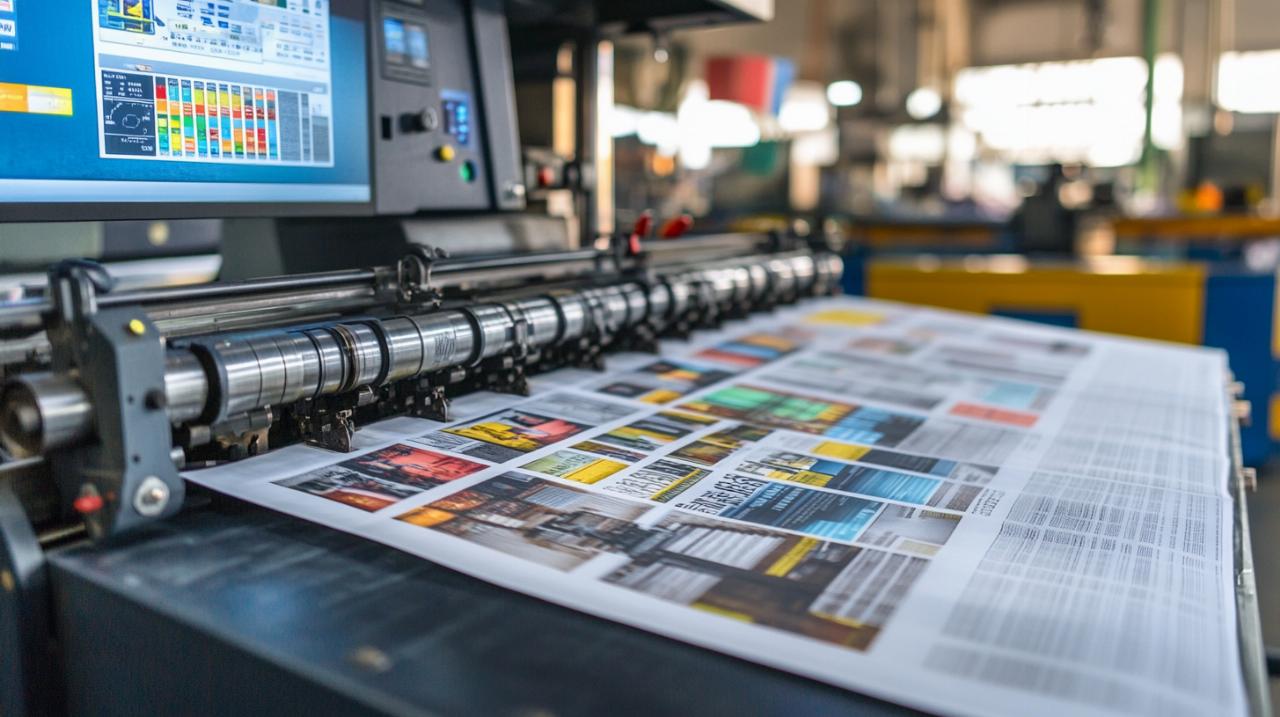
Quality remains paramount in journalism, where credibility often depends on presentation as much as content. PrintNewspaper distinguishes itself by utilising the same professional printing presses employed by mainstream newspapers, ensuring that the final product matches the standard readers encounter at their local newsagent. This commitment to authentic newspaper quality means that independent journalists and small publishers need not compromise on production values simply because they operate on a smaller scale. The printing process handles the full spectrum of content, from dense text passages to complex graphics, reproducing everything from summary information to detailed data visualisations with clarity and precision. This professional finish lends credibility to investigative work, particularly when journalists are presenting findings to audiences who may be sceptical of purely digital formats. The tactile nature of a well-produced newspaper carries weight that screen-based presentations sometimes lack, making it an essential tool for those seeking to maximise the impact of their investigative reporting.
Empowering diverse publishing: beyond traditional journalism
While investigative journalism represents a primary beneficiary of affordable print runs, the applications extend considerably further. Educational institutions have discovered the value of producing newspapers as teaching tools, allowing students to experience the entire publication process from research through to holding a finished product in their hands. School newsletters gain new gravitas when presented in authentic newspaper format, transforming routine communications into something students and parents genuinely want to read and preserve. Business ventures have similarly embraced the medium for promotional material that stands out in an increasingly digital marketplace, with bespoke newspapers serving as memorable marketing tools that recipients are more likely to retain than conventional flyers or brochures. Special occasions such as weddings have also found creative applications, with couples commissioning personalised newspapers that chronicle their relationship or provide guests with entertaining reading during celebrations. This versatility demonstrates how removing traditional barriers to newspaper production has unleashed creativity across numerous sectors, all benefiting from the same professional quality and flexible ordering that attracts investigative journalists.
Practical Applications for Educational Institutions and Business Ventures
Educational institutions particularly benefit from the support services accompanying the printing process. PrintNewspaper provides templates designed to work with accessible design programmes such as Canva, significantly lowering the technical barrier for teachers and students who may lack professional design training. This democratisation of design tools means that even those with limited experience can produce publications that look professional and polished. The templates guide users through proper layout principles, ensuring that text remains readable, images reproduce well, and the overall composition maintains visual balance. For business ventures, these same tools enable entrepreneurs to create promotional newspapers that communicate brand stories with sophistication and impact. The ability to produce business documents in newspaper format offers a distinctive alternative to standard corporate communications, capturing attention in ways that conventional materials often fail to achieve. Whether showcasing company history, launching products, or communicating with stakeholders, the newspaper format conveys information in an accessible, engaging manner that readers find naturally comfortable to navigate.
Global Reach with French Precision: Worldwide Delivery and Quality Assurance
Despite being printed in France near Paris, PrintNewspaper has developed a truly global service model that extends quality assurance and rapid delivery to customers worldwide. The company employs established international courier services to ensure that finished newspapers reach clients swiftly regardless of their location, making it as practical for a journalist in Sydney as one in Stockholm to utilise the service. This global reach comes with comprehensive quality control measures that reflect French precision in manufacturing. Before printing commences, technicians review submitted files to identify potential issues, offering assistance in correcting mistakes that might compromise the final product. Should any errors slip through that originate from the printing process itself, the company commits to reprinting at no additional cost, demonstrating confidence in their production standards. Customer feedback consistently highlights satisfaction with both the quality of the finished newspapers and the supportiveness of the service throughout the ordering process. This combination of technical excellence and customer care has earned the company top marks from users who appreciate both the physical product and the experience of working with a supplier that genuinely supports their publishing ambitions. For investigative journalists operating on tight budgets and tighter deadlines, this reliability proves essential, allowing them to focus on their reporting whilst trusting that the production side will be handled professionally and efficiently.
Comments are closed