
Grenoble and its surrounding Isère department sit at the heart of one of France’s most fertile and varied agricultural landscapes. Nestled between the Vercors, the Chartreuse, and the Belledonne massifs, the region offers an extraordinary wealth of locally sourced food, from renowned walnuts to alpine cheeses and orchard fruits. For anyone keen to embrace a genuine farm to table philosophy, this corner of Auvergne-Rhône-Alpes is a natural starting point.
The essentials
- Grenoble and the surrounding Isère region offer a rich variety of high-quality local produce, including walnuts, alpine cheeses, and seasonal fruits.
- Traditional weekly markets, such as the one in Vizille, provide an accessible way to purchase fresh, seasonal ingredients while supporting sustainable agriculture.
- Direct engagement with regional growers at markets fosters transparency and helps consumers understand the provenance and cultivation methods of their food.
- Short-circuit distribution models, including collective producer shops and online platforms, offer an efficient way to shop for local goods while ensuring farmers receive fair compensation.
- Community Supported Agriculture (AMAP) programs allow residents to subscribe to regular farm-fresh boxes, reducing environmental impact by shortening the supply chain.
- The region is home to unique, protected specialties like the Noix de Grenoble, which reflect the area’s rich agricultural heritage and artisanal craft.
- Choosing independent grocers and farm shops reinforces the local economy and helps sustain small-scale farming operations in the Auvergne-Rhône-Alpes region.
Explore the Traditional Markets Across the Isère Capital
Discover fresh seasonality in city centre market stalls
Few experiences rival the pleasure of wandering a French market at dawn, basket in hand, as traders arrange their stalls. In the Grenoble area, traditional markets remain one of the most accessible ways to source fresh farm produce and connect with the rhythm of seasonal produce. The farmers’ market held every Saturday morning at Place du Château in Vizille, running from 8 am to 1 pm throughout the year, is a fine illustration of this tradition. Conveniently located in the town centre and accessible by public transport, it brings together vendors offering quality and freshness week in, week out.
Shopping at such markets means adapting your menu to what the land currently yields, courgettes and tomatoes in high summer, root vegetables and squash as autumn sets in. This approach naturally supports sustainable agriculture by reducing pressure on producers to supply out-of-season goods through energy-intensive methods. The variety on offer at any given market stall reflects not only the terroir but also the skill of the grower.
Engage Directly with Regional Growers from the Alps Region
Beyond simply buying, attending local markets creates an opportunity for genuine exchange with the people who cultivate the land. Artisan food producers in the Isère and broader Auvergne-Rhône-Alpes area are often willing to explain their growing methods, the particular characteristics of their soil, and the heritage varieties they favour. This kind of transparency is central to true food traceability, giving shoppers confidence in the provenance of what lands on their plate.
Across France, there is a clear and growing enthusiasm among consumers for direct from producer relationships. Many growers in the Alps region participate in short-circuit distribution models, limiting the number of intermediaries between field and fork. These arrangements benefit both parties: farmers receive a fairer proportion of the sale price, while buyers gain access to genuinely fresh local groceries that have often travelled no more than a few dozen kilometres.
Utilise direct farm schemes and local producer collective shops

Source high-quality goods via regional agricultural hubs
Across France, collective producer shops and digital platforms dedicated to local food distribution have multiplied in recent years, and the Grenoble area is no exception to this trend. These structures typically pool the output of dozens of family farms and small craft businesses, making it possible to do a full weekly shop whilst maintaining direct links to producers. Some platforms provide full traceability, displaying the supplier name and geographic origin for each product listed, a practice that empowers consumers and rewards transparent producers.
In broader regional models operating elsewhere in France, it is common to find that the overwhelming majority of products come exclusively from family farms or small-scale craft businesses, with a substantial proportion farmed or processed using the producer’s own principal ingredients. Many such initiatives also prioritise organic food products, with roughly half of listed items often coming from certified organic farming. These figures illustrate just how much the collective shop model can concentrate quality and authenticity in a single place.
Purchase Sustainable Fruit and Vegetables Shortening the Supply Chain
The concept of community supported agriculture, known in France as AMAP, has taken firm root across the Isère department. Members subscribe in advance to receive regular boxes of vegetables, fruit, dairy, or other products directly from a nearby farm. This system provides producers with financial stability and allows them to plan their growing season with confidence, while subscribers benefit from fresh farm produce whose origins are entirely known.
Shortening the food supply chain also has measurable environmental benefits. Fewer lorry journeys, less packaging, and reduced refrigeration all contribute to a lower carbon footprint. When produce travels from an alpine valley to a Grenoble kitchen rather than passing through a national distribution hub, the gains in freshness and food traceability are equally tangible. Supporting these models is one of the most direct ways residents can contribute to the vitality of small scale farming in the region.
Select top-quality local ingredients for excellent home cooking
Identify Authentic Specialities from the Auvergne-Rhône-Alpes Area
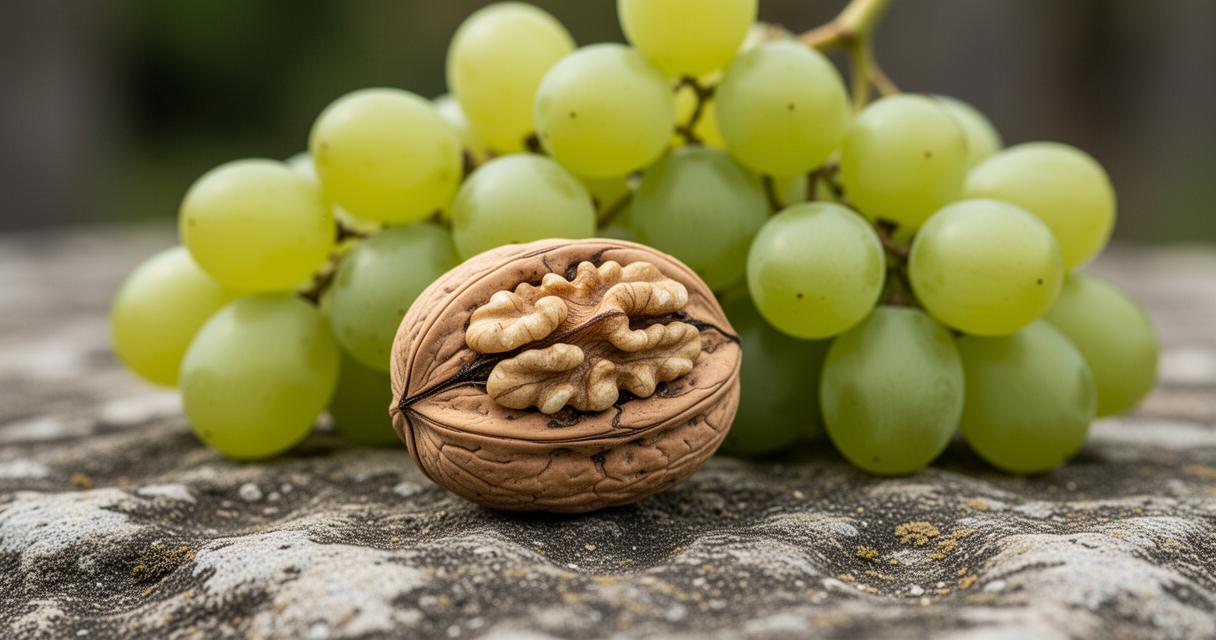
The Isère is home to some of France’s most celebrated regional specialties, and none is more emblematic than the Noix de Grenoble, which benefits from a protected designation of origin. Organic farms at the foot of the Vercors mountains cultivate extensive walnut orchards, producing not only the renowned whole nut but also walnut kernels, walnut wine, spreads, and coated walnut kernels. Some estates even operate their own oil mills on site, transforming the harvest into gourmet regional food of the highest order. Tours and tastings are available at certain farms, offering visitors a vivid sense of the craft involved.
Beyond walnuts, the region yields a rich array of seasonal produce shaped by its alpine climate and varied altitudes. Cheesemakers, honey producers, and market gardeners all contribute to a food culture deeply rooted in agroecology and respect for natural cycles. Identifying these authentic specialities and understanding their seasonal availability is a key step towards cooking with genuine regional character.

Support neighbourhood businesses promoting short distribution channels
Independent grocers, farm shops, and specialist delicatessens in Grenoble and the surrounding communes play a vital role in sustaining artisan food producers who lack the volume to supply supermarkets. By choosing these outlets, residents actively support urban farming initiatives and rural producers alike, reinforcing the economic fabric that keeps small scale farming viable in a competitive market. Many of these shops apply rigorous quality food certification criteria of their own, selecting only goods that meet clear standards for provenance and production method.
The movement towards shorter circuits is also reshaping how Grenoble’s restaurants approach their menus, with a growing number of chefs building menus around what local growers can supply week by week. This responsiveness to seasonality and sustainable agriculture produces cooking that is not only more flavourful but also more honest in its relationship with the landscape. For home cooks and professional chefs alike, the bounty of the Isère and the wider Auvergne-Rhône-Alpes region offers an inspiring foundation for farm to table eating at its very best.
Comments are closed